

What to do in the event of a flood?
WHAT TO DO IF A FLOOD ALERT IS ISSUED?
If you do receive a weather alert and your home is at risk of flooding, here is a check list for the final precautions you can take.
INTERNAL CHECKLIST
1. Move valuables higher
Move what you can upstairs or to a higher level
2. Take detailed photos
of your property and contents to help with any potential claim
3. Floodsacks
These should be placed on both sides of your door
4. Emergency grab bag
Get your pre-packed supplies, if you have to leave your home
5. Airbricks
Close the covers on your airbricks or use airbrick covers to stop flood water from entering
6. Drape curtains over their poles
unless you have time to remove them
+ Sinks
Put plugs in sinks and weigh them down to stop backflow in toilets
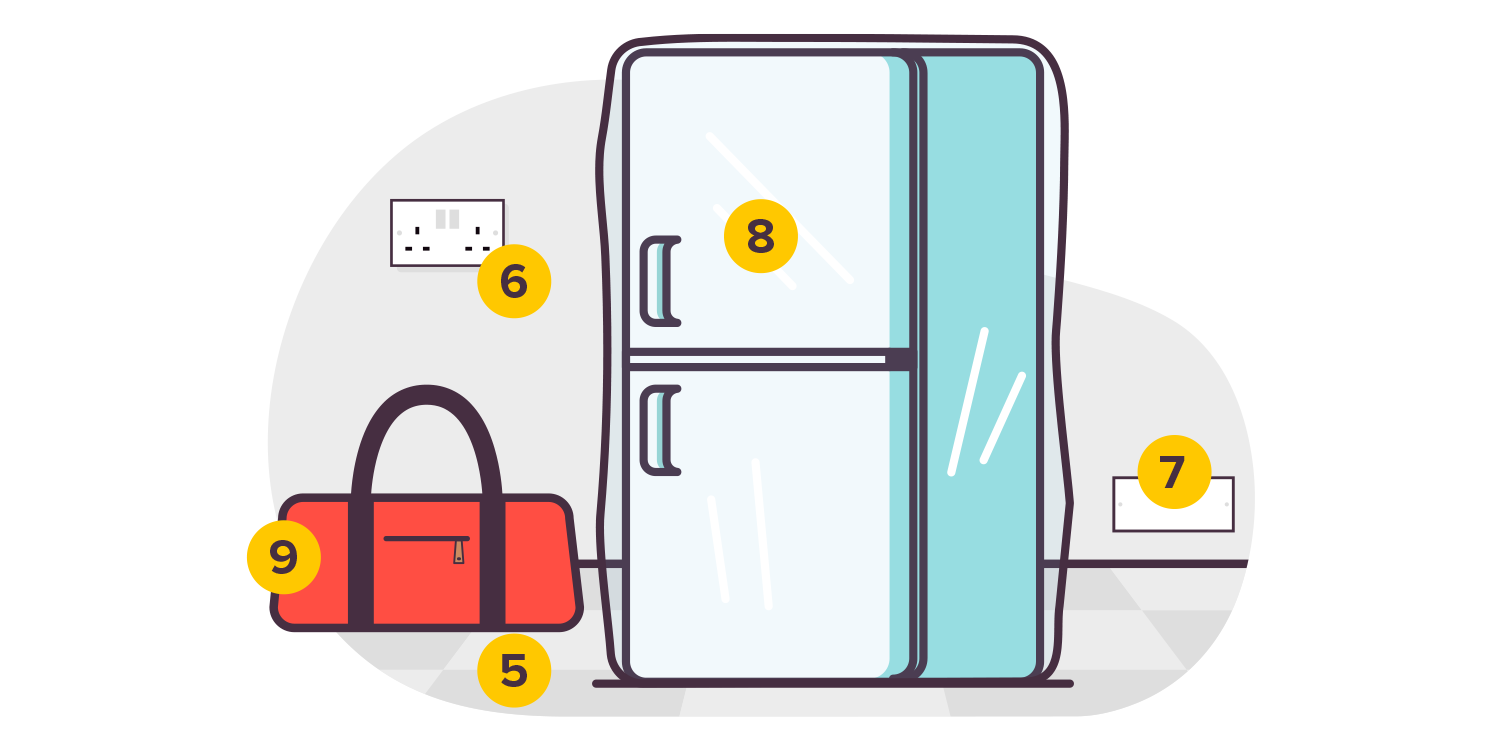
6. Electricals
Unplug and move electricals.
7. Airbrick covers
Close airbrick covers.
8. Protect large valuables
Get your large sealable bags to wrap up large items, e.g. electrical goods, sofas that may be too hard to move. Tip: Use wellies or buckets for table legs to reduce damage.
9. Essential supplies
Get your emergency grab bag and essential supplies.
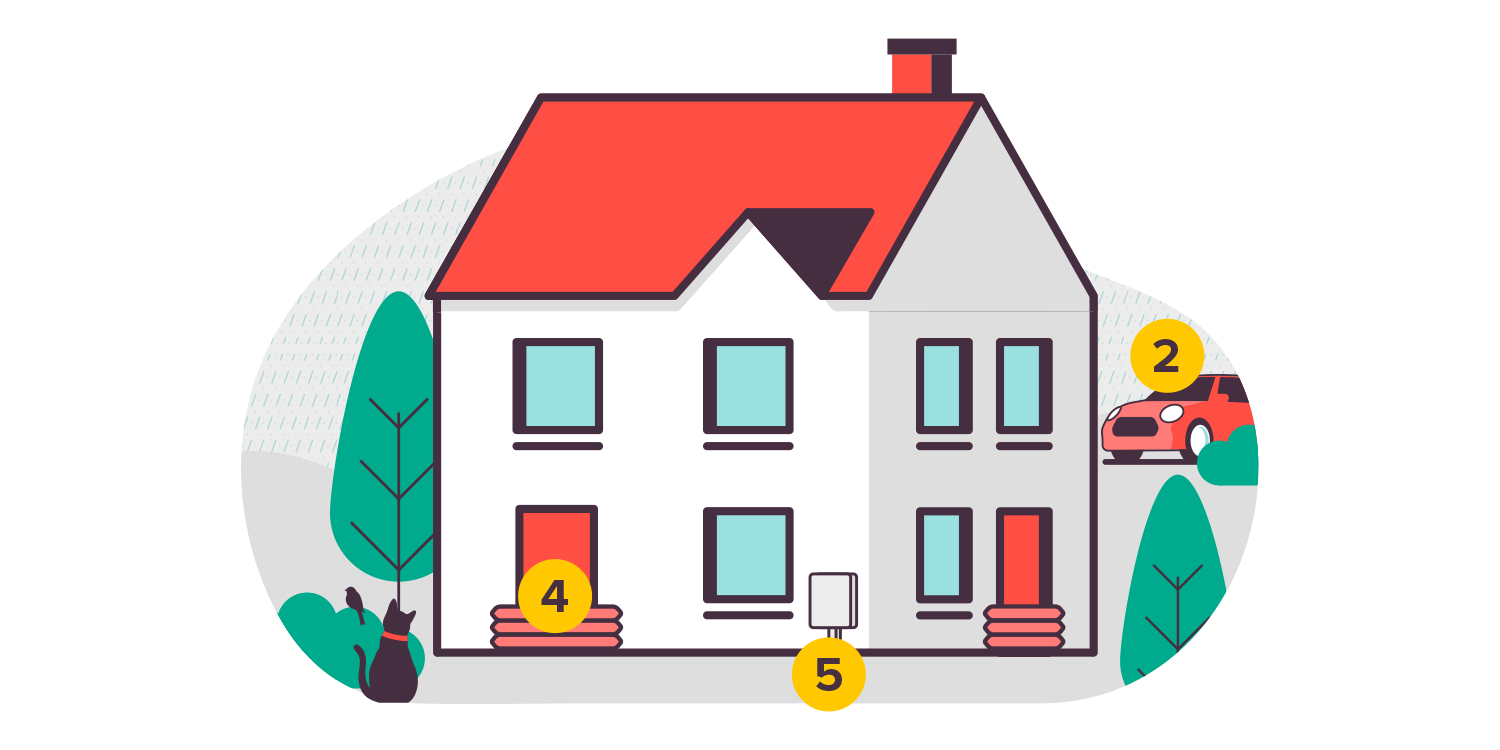
EXTERNAL CHECKLIST
2. Vehicles
Try to move vehicles to higher ground as soon as possible!
4. Flood boards
Attach to your door and windows
5. Mains supplies
Turn off your mains water, gas and electricity if it’s safe to do so.
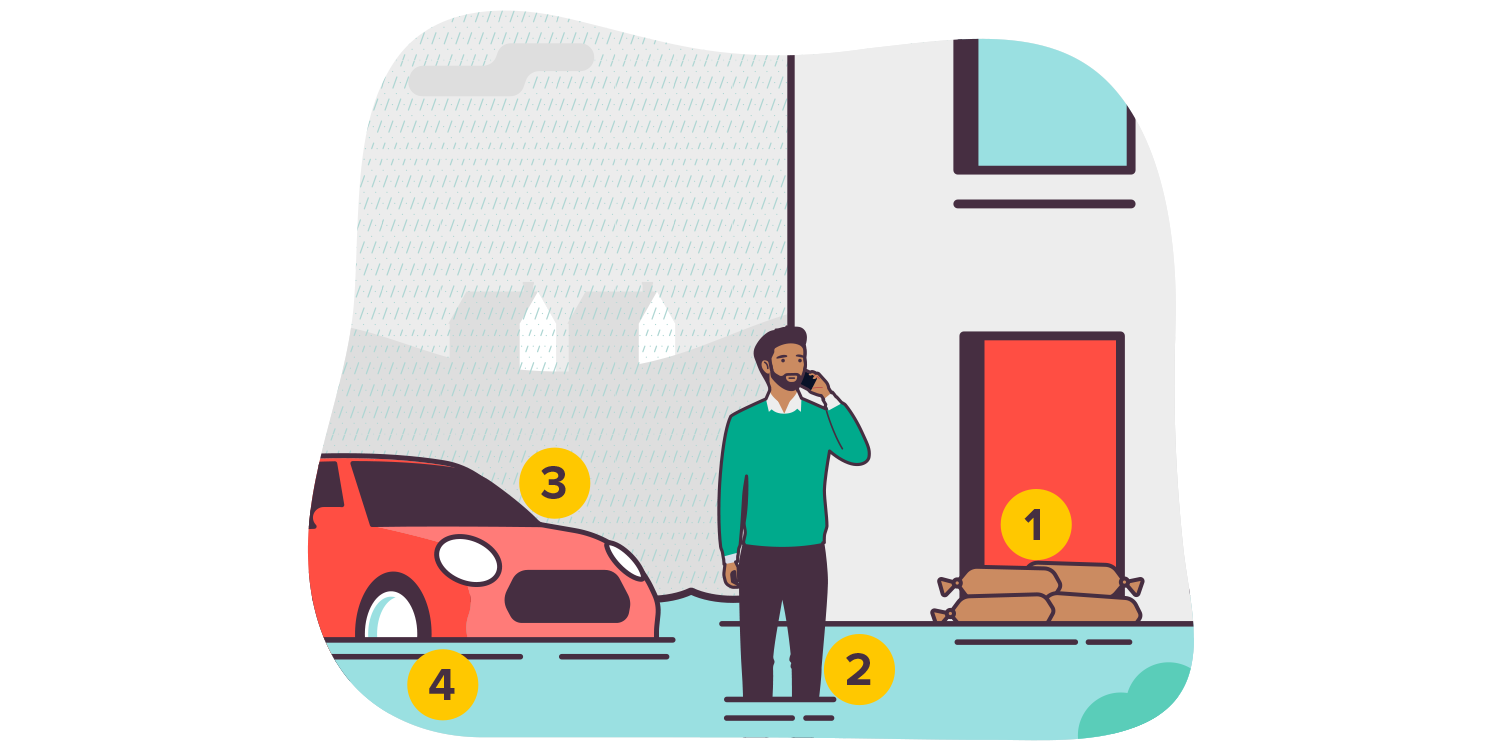
WHAT NOT TO DO
1. Don’t use sandbags
use flood bags or sacks, as these are much more effective than sandbags.
2. Try not to walk in the water
as it could be contaminated with sewage.
3. Avoid driving
on flooded roads.
4. Don’t stop the car
in standing water, and drive through the highest section of the road slowly.
Lastly,
- Sign up for flood alerts if you haven't already, by phone, email or text.
- Check your home insurance to make sure you are covered for flood damage
- Keep yourself, your family and any pets safe
- Consider how you could help vulnerable friends or neighbours.